Best Practices for Trust Distribution Minutes
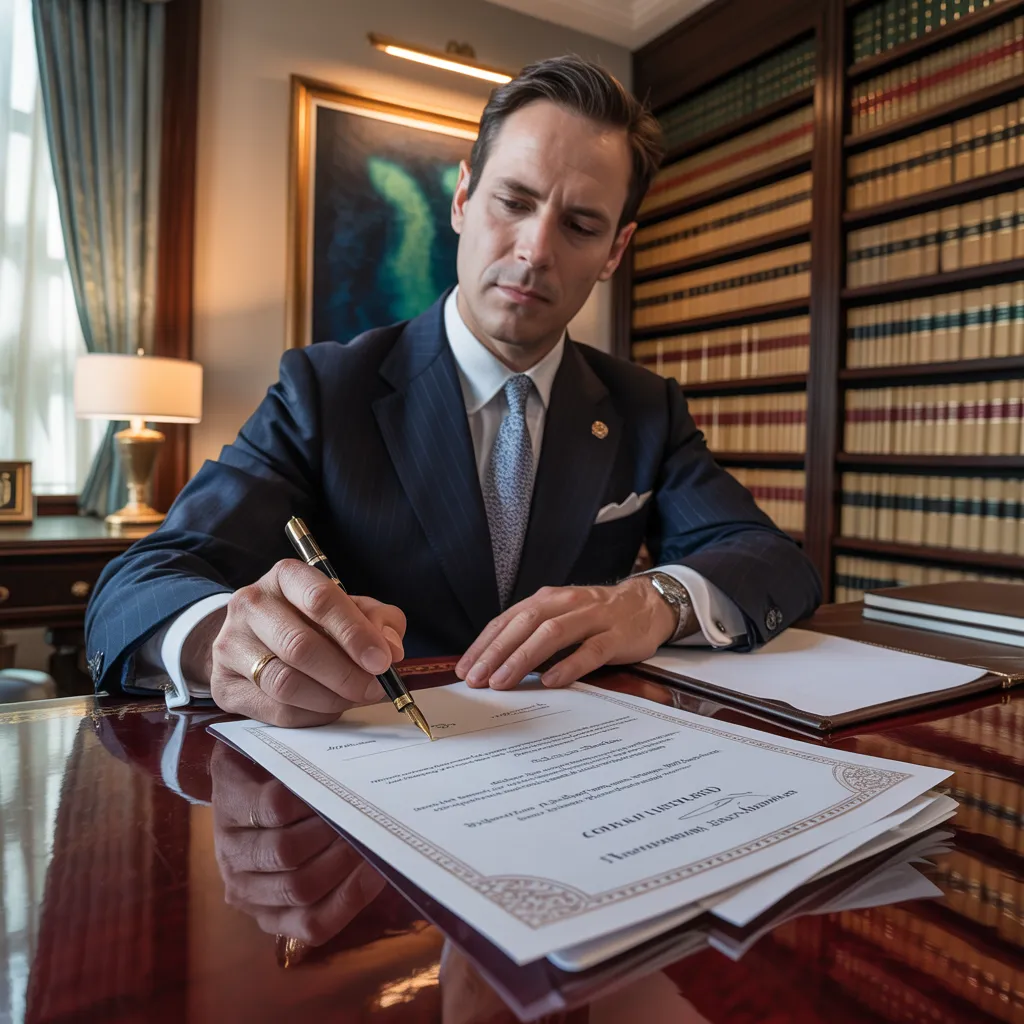
Trust distribution minutes serve as a vital role in effective trust administration. They function as a formal documentation of decisions made concerning asset allocations and guarantee transparency among stakeholders. A well-structured method not only explains the distribution process but also promotes responsibility. However, many trustees overlook key procedures that could improve these minutes. Understanding these best practices can greatly affect the efficiency of trust management and the contentment of recipients. What are these critical practices?
Why Allocation Records Matter for Trustees: Key Benefits
Though trust distribution minutes may look like nothing more than a formality, they offer indispensable functions for trustees. These minutes function as official records detailing decisions made regarding distributions, supporting transparency and accountability. By documenting the reasoning behind each distribution, trustees can protect themselves from potential disputes or legal challenges in the future.
Furthermore, fiduciary allocation proceedings facilitate exchange among beneficiaries and trustees, fostering assurance and awareness. They provide a clear depiction of the trust's financial position and distribution explanation, which can tend to manage beneficiary expectations.
Furthermore, detailed minutes serve as a benchmark for future decisions, allowing trustees to maintain consistency in their actions. Ultimately, the meticulous recording of these minutes aids in upholding fiduciary responsibilities, strengthening the credibility of the trust management. In this manner, neglecting this procedure can lead to confusion and difficulties that could have been readily prevented.
Essential Elements of Trust Distribution Minutes
The critical building blocks of trust circulation minutes constitute an essential role in promoting effective oversight and clarity. Key session attendees should be distinctly identified, whereas detailed distribution guidelines furnish a base for decisions. Additionally, transparent documentation approaches are critical for maintaining dependable records and facilitating future retrieval.
Significant Meeting Participants
Effective trust distribution meetings demand the engagement of key participants who facilitate prudent choices. Primary participants include the trustee, who supervises the distribution process, and recipients, whose commentary furnishes crucial information. Counsel serve as critical components in maintaining compliance with relevant laws and regulations, while wealth advisors deliver assessments on the trust's asset management and distribution outcomes. Additionally, any associate trustees should be involved to copyright transparency and collaborative decision-making. Stakeholders may also include kinfolk or representatives advocating for the beneficiaries' objectives. Each participant's unique perspective strengthens the depth of conversations, ensuring that all relevant factors are evaluated, ultimately leading to impartial and proportionate trust distributions.
In-Depth Allocation Procedures
Creating well-defined allocation rules is essential for successful trust distribution meetings. These procedures should outline the criteria for distributions, encompassing eligibility and the particular reasons for which money may be distributed. It is important to define the decision-making process, detailing who has the power to authorize payouts and how determinations will be communicated to recipients. Additionally, rules should cover the frequency of payments, ensuring that recipients have a clear understanding of when they can expect to receive money. By offering a structured framework, these procedures help reduce confusion and ensure that allocations align with the trust's goals. Conforming to these standards promotes transparency and responsibility among trustees and recipients as well.

Clear Record-Keeping Processes
Rigorous and thorough documentation proves crucial for preserving clarity in trust distribution meetings. Clear documentation protocols should outline the date, time, and location of the meeting, as well as a list of attendees. Each trust distribution discussed must be set down with specific facts, including the amount distributed, the recipient, and the grounds behind each decision. Additionally, any consensus points or dissents raised during the meeting should be noted to present a comprehensive accounting of the discussions. It is also essential to define follow-up duties with deadlines to guarantee accountability. By adopting these documentation approaches, trustees can establish a reliable record that improves transparency and facilitates future decision procedures. This systematic approach ultimately strengthens the trust's oversight and stakeholder assurance.
Best Guidance for Composing Efficient Trust Distribution Minutes
When creating effective trust distribution minutes, clarity is essential. A explicit purpose statement ensures all parties understand the intent behind the distributions, while accurate details about the distributions themselves prevent misunderstandings. These elements are critical for maintaining openness and accountability in the trust administration process.
Clear Objective Declaration
A clear purpose statement serves as the basis for efficient trust distribution minutes, guaranteeing understanding and focus throughout the document. This statement should unequivocally define the aims of the trust distribution, supplying framework for all participants involved. By precisely defining the purpose, it builds a foundation that leads discussions and decisions, preventing ambiguity. It should be succinct yet detailed, indicating the aims of the trust and the reasons behind the distributions. Including a purpose statement not only encourages transparency but also strengthens accountability among trustees and beneficiaries. A explicit purpose statement creates the mood for the meeting, empowering participants to synchronize their contributions with the primary objectives of the trust, ultimately resulting in more efficient outcomes.
Exact Distribution Particulars
Clear and detailed distribution details are vital for efficient trust distribution minutes. These details must include the names and relationships of beneficiaries, specific amounts or percentages to be distributed, and the date of distribution. Accurate records avoid misunderstandings and disputes, guaranteeing all parties are aware of their entitlements. Furthermore, it is wise to reference the trust document to confirm the distribution decisions made. Each entry should be dated and signed by relevant parties to ensure accountability. Using a structured format can enhance clarity, permitting easy reference in the future. By following these practices, trustees can maintain transparency, building trust among beneficiaries while protecting against potential legal challenges. Accurate documentation supports the integrity of the trust administration process.
Maintaining and Modifying Trust Distribution Records: Best Guidelines
Strategic management of trust distribution records is important for ensuring transparency and compliance. Routinely refreshing these records is essential to reflect any changes in distribution decisions, beneficiary information, or legal requirements. Developing a structured schedule for assessing and updating records helps copyright accuracy and relevance.
Using electronic tools can boost record-keeping efficiency, allowing easy access and retrieval of information. Secure storage solutions, both manual and electronic, must be used to secure sensitive data from unapproved access.
Furthermore, records ought to be clear and organized, with each entry providing sufficient detail to support the decisions made. This includes recording the date of distributions, amounts, and the rationale behind each decision.
Training personnel engaged in trust management on best practices ensures uniformity and reduces the likelihood of errors. By adhering to these protocols, fiduciaries can copyright their fiduciary responsibilities effectively.
Stay Away From These Standard Pitfalls in Trust Documentation
Managing trust documentation requires vigilance to avoid usual errors that can damage its integrity. One frequent mistake is failing to document decisions clearly and immediately. Inadequate records may lead to misunderstandings and disputes among beneficiaries. Additionally, inconsistent relevant article terminology can cause confusion; using accurate, standardized language is crucial for clarity. Another typical error is neglecting to involve all relevant parties in discussions, leading to limited records and reduced transparency.
Furthermore, overlooking legal requirements or updates in trust law can undermine the trust's soundness. Omitting regular review and updates to documentation may also result in obsolete or mistaken details. In conclusion, not providing sufficient context for decisions can obstruct future trustees' understanding of the trust's intent. Through circumventing these pitfalls, trustees can confirm that trust documentation remains robust and reliable, thereby maintaining the interests of all involved parties.
Boosting Engagement Among Beneficiaries Through Session Notes
Keeping meeting minutes is an important tool for strengthening dialogue among beneficiaries in a trust. By documenting the talks, resolutions, and action items, minutes offer a detailed record that all parties can access. This approach assures that beneficiaries stay aware about the trust's status and the reasoning behind key decisions.
Effective minutes can promote openness, reducing confusion and potential disputes among beneficiaries. By distributing these documents promptly after meetings, all stakeholders can stay aligned on expectations and responsibilities. Additionally, properly organized minutes promote participation, allowing stakeholders to feel included in the trust's management.
Consistently updating and distributing these documents not only promotes accountability but also serves as a historical archive that beneficiaries can consult in the future. Ultimately, enhancing communication through minutes is fundamental to preserving confidence and collaboration among beneficiaries, facilitating a smoother distribution process.
Frequently Posed Questions
How Often Should Trust Distribution Minutes Be Updated?
Distribution trust records should be updated regularly, preferably after each distribution or significant decision, to guarantee accurate records. Uniformity in documentation promotes transparency and helps preserve confidence among beneficiaries and trustees throughout the process.
Are Beneficiaries Permitted to Request Copies of Trust Distribution Minutes?
Beneficiaries may obtain copies of trust distribution minutes, as disclosure is commonly promoted within trust management. However, the opportunity to obtain these materials may be determined by the specific terms outlined in the trust agreement.
What Happens if Minutes Are Not Captured?
When trust documentation records are not properly documented, it may create beneficiary misunderstandings, potential disputes regarding distributions, and difficulties in confirming adherence to trust provisions, ultimately endangering the trust's integrity and administration.
What Legal Requirements Apply Trust Distribution Minutes?
Yes, legal requirements for trust distribution minutes exist, often differing by jurisdiction. Thorough documentation guarantees compliance with regulations and shields trustees from liability, emphasizing the importance of maintaining accurate and thorough records during trust distributions.
Who Bears Accountability for Preparing the Minutes?
A trustee ordinarily has obligation to formulate the minutes. The individual must faithfully document decisions regarding trust distributions, confirming respect for statutory requirements and providing accountability for beneficiaries and future reference.